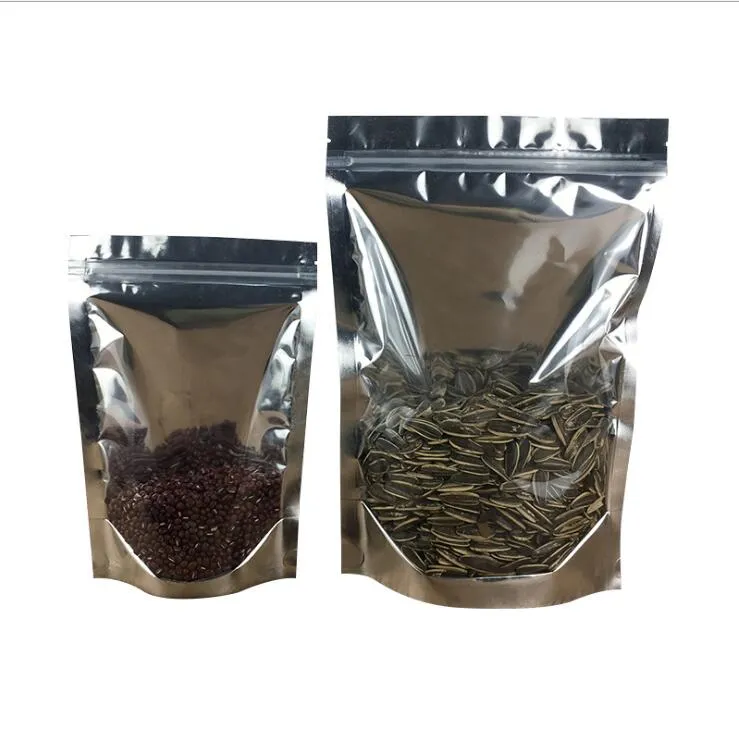
A growing number of people want better ways to keep food, herbs, spices, and dry goods fresh for longer. While glass jars seem like the classic option, newer materials compete for attention. This guide takes a close look at both, so you can choose the best one for your storage needs.
Understanding the Basics of Long-Term Freshness
Freshness depends on controlling air, moisture, and light. These are the three factors that break down flavor and smell. Glass jars offer clarity, strength, and a familiar shape. They have been used for decades in kitchens around the world. Many people trust them because they feel solid and do not react with food. However, their ability to block air and light can vary. Some lids loosen over time. Some jars allow small amounts of light through, which speeds up damage in sensitive items.
As people learn how storage works, they discover that the right method depends on more than the container alone. The seal matters. The environment matters. Even the size of the jar affects freshness. When too much air sits inside a jar, the stored item ages faster. This is why choosing a container with the right barrier level is important. Many users prefer a solution that stays consistent over months. Others want something simple that feels safe. These preferences create the need for a fair comparison, so each person can pick what works best for their lifestyle.
Why Container Weight and Durability Matter
The heaviness of glass jars often makes them less practical. They add bulk to shelves and slow down transport. When a jar falls, it usually breaks. This leads to frustration and wasted food. Heavier containers also take up more space, making them hard to store in bulk. Durability relates to more than breakage. It also includes the ability of a container to stay sealed. Over time, lids on glass jars can warp. Some lids rust when exposed to moisture. As a result, air slips inside without the user noticing.
Freshness drops even though the jar may seem fine from the outside. Lighter materials remove much of this risk. They bend instead of breaking. They protect stored goods during travel. They pack easily in coolers or bags. People who move often or keep small storage spaces depend on containers that do not crack under pressure. This focus on durability helps extend the life of food and reduces waste. It also supports those who want long-term storage solutions that remain safe over years of use.
How Light Exposure Affects Food and Herbs
Light speeds up the breakdown of taste, smell, and nutrients. Glass jars, especially clear ones, allow light to pass through. This creates a problem for spices, herbs, or dried foods that need protection. Even if you store jars in a cupboard, the brief moments of light exposure each time they are opened add up. Over weeks or months, the stored items lose their strength. Some people try tinted jars as a solution. These reduce light but do not stop it fully. Dark areas of a room help, yet they do not offer guaranteed protection.
A container that blocks light entirely gives a major advantage. When light cannot enter, the stored material stays stable longer. This means more flavor in herbs. More aroma in tea leaves. More potency in dried goods. Light is often the most ignored factor. Many users focus only on air and moisture. Yet studies and years of home storage experience show that sensitive foods degrade faster under bright conditions. Shielding items from light, therefore, becomes a key factor in choosing the right container.
The Science Behind Air Control and Seal Strength
Air carries moisture and oxygen. Both cause spoilage. A strong seal keeps air out and freshness in. Some glass jars offer excellent seals, but only when the lid is new. After many uses, the rubber ring weakens. This creates small openings that reduce freshness. Jars with metal lids can also corrode. When corrosion forms, the seal loses its tight grip. This is a slow process, so many users do not notice it until flavor drops. Containers designed for long-term storage often use multilayer seals.
These seals stay tight even after repeated use. They resist humidity and temperature changes. Strong air control prevents mold and keeps textures crisp. It also helps preserve the natural smell of spices or herbs. People who want dependable storage focus on this factor. A strong seal is not just about keeping food fresh. It also keeps stored goods safe from pests. This reduces the need to check containers often and offers peace of mind.
Cost and Convenience in Everyday Use
Glass jars look simple, but they require careful handling. They need cleaning, drying, and safe storage. They also take more time to pack and transport. For many people, the routine becomes tiring. When storing large amounts of food, glass jars can become expensive. Buying multiple jars adds up. Each jar also needs a matching lid. Replacing lost or damaged lids makes the total cost higher. Convenience plays a major role in storage choices. Home users want solutions that fit their daily habits.
They look for containers that open fast, close tightly, and stack well. Lighter options often meet these needs better. They also reduce accidents. Dropping a lightweight container rarely causes harm. This makes them easier for children or older adults to use. While glass jars have a sleek and classic look, their maintenance demands more time. Many people eventually move toward quicker, safer, and more flexible storage choices to match their busy routines.
Real-World Experiences From Home Users
People who store food at home share common issues. They often notice flavor loss in jars that have been sitting for a long time. Some say the lids stop working. Others say the jars take too much room. Users with small kitchens feel the struggle more. They need flexible options that adjust to changing needs. Many report that lightweight containers keep their items fresh longer. They like how easy they are to carry. They also appreciate how well these containers block outside elements. Storing herbs, spices, or dry goods becomes simpler.
Families who store food for camping trips prefer containers that pack tightly and do not break. People who prepare emergency supplies often choose options that last years without trouble. These experiences help others choose better solutions. Real stories show that practicality matters more than looks. They also show that durability and protection win in long-term storage. These insights guide new users toward methods that save time and reduce waste.
When Glass Still Has an Advantage
Even though many modern materials perform better, glass still has strengths. It is non-reactive. It does not hold odors. It works well for wet foods or items with strong scents. Sauces, pickles, and liquids store safely in glass. Some people enjoy the traditional look of jars on a shelf. They also like seeing the contents without opening the container. Glass is simple to clean and safe for reuse. It works well for short-term storage or decorative purposes.
It also suits users who prefer natural, classic materials. These benefits keep glass popular, especially in kitchens. However, when the goal is protecting dry goods for long periods, glass does not always offer the best barrier. Its strengths shine in short-term situations. Its weaknesses appear in long-term ones. Understanding this difference helps people use glass wisely. It also allows them to decide when to choose alternatives for better results.
The Clear Winner in Freshness Protection
In long-term freshness tests, flexible materials with strong, layered barriers often outperform glass. They resist drops, block light completely, and seal tightly. They also prevent air from slipping in over time. These qualities keep food and herbs stable for much longer. Many modern storage solutions use this structure. One example is Mylar Packaging, which combines durability with excellent protection from air, moisture, and light. Users who switch often notice an immediate difference.
Flavors stay richer. Aromas last longer. Sensitive foods maintain their strength. This makes the choice clear for many people who value long-term storage. While glass still works well for short-term needs, layered barrier materials become the top pick for freshness. They offer consistent results, safe storage, and practical use in daily life. This gives them a major advantage for anyone who wants reliable protection for their stored goods.
Conclusion
Choosing the right container can make a big difference in keeping food, herbs, and dry goods fresh. Glass jars have a classic appeal, are non-reactive, and work well for short-term storage. They are easy to clean and allow you to see the contents at a glance. However, they can be heavy, break easily, and sometimes fail to protect against air, moisture, and light over time. Modern storage options, on the other hand, offer lightweight durability, strong seals, and better protection from environmental factors.
For long-term freshness, these alternatives often outperform glass, keeping flavors, aromas, and nutrients intact for months or even years. Ultimately, the choice depends on your storage needs, the type of food, and how long you plan to keep it. For anyone looking for reliable, long-lasting preservation, flexible barrier materials provide a practical, efficient, and effective solution.
Visit Our Website: https://ibexpackaging.com/custom-mylar-bags

請先 登入 以發表留言。