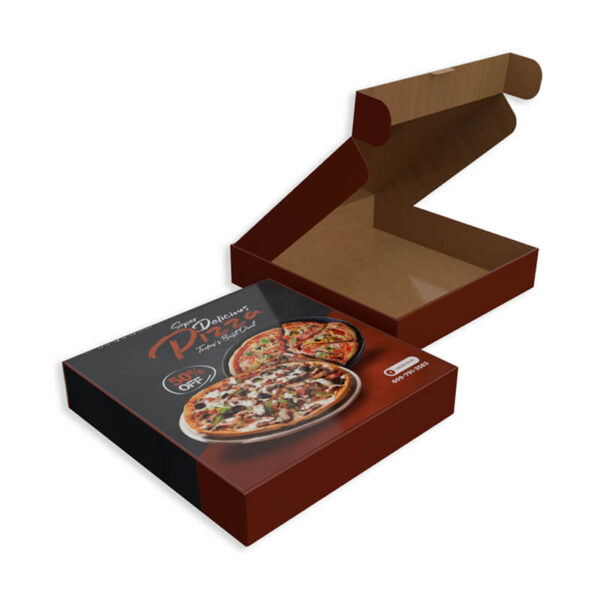
Pizza delivery has become a symbol of modern convenience. Whether ordered through an app or a quick phone call, customers expect their pizza to arrive hot, fresh, and intact. Yet, the secret behind this perfect delivery isn’t only the recipe or the oven—it’s the packaging. Beyond its basic role of holding the pizza, packaging now serves as a marketing tool, a heat insulator, and an environmental statement.
The Historical Shift in Pizza Packaging Design
The story of packaging in pizza delivery dates back to the early 20th century when pizzerias wrapped pizzas in simple paper or tin containers. While effective for short distances, these methods failed to retain heat and structure. The real revolution came with the invention of the corrugated cardboard box in the 1960s. Its lightweight structure, air insulation, and sturdy build transformed how pizza was delivered.
Over the decades, innovation didn’t stop. The introduction of steam vents prevented sogginess, while grease-resistant coatings improved hygiene. Global pizza brands began to focus on convenience, experimenting with foldable boxes, stackable designs, and easy-open flaps.
Modern packaging reflects the evolution of customer expectations. Today’s consumer values not only quality and speed but also eco-consciousness. The trend has shifted from functional designs to those that express identity, efficiency, and sustainability. This evolution proves that packaging is no longer an afterthought—it’s an integral part of the delivery experience.
Preserving Temperature and Flavor Quality
Keeping the pizza warm is one of the greatest challenges in delivery logistics. The moment a pizza leaves the oven, it begins to lose heat, texture, and flavor. A well-engineered box acts as a portable oven, maintaining optimal temperature and preventing condensation.
The corrugated cardboard design, for instance, traps air between layers, creating natural insulation. Small ventilation holes regulate steam flow, preventing moisture buildup that can make the crust soggy. This delicate balance between heat retention and airflow is what ensures that customers receive a pizza that tastes freshly baked.
Temperature retention is also linked to safety. Hot food stays in the safe consumption zone longer, reducing the risk of bacterial growth. To enhance freshness, delivery services now use insulated bags and heat-reflective materials that complement the box. These systems allow the pizza to arrive not just warm, but perfectly edible and flavorful.
For many brands, quality consistency is key. Whether a delivery takes five minutes or thirty, the packaging ensures that the customer enjoys the same experience every time. This consistency builds trust, loyalty, and long-term brand value.
The Visual and Emotional Impact of Design
Packaging design is more than aesthetics—it’s psychology in action. The look and feel of the box shape the customer’s emotional response before they even open it. Every visual element, from logo placement to color palette, plays a role in storytelling.
A clean, bold design signals professionalism and reliability. Meanwhile, creative or playful illustrations can make a brand feel youthful and friendly. For established pizzerias, design consistency builds recognition. Customers who spot a specific logo or color instantly associate it with flavor and satisfaction.
Packaging design also influences shareability. In the era of social media, customers love sharing their food experiences online. A visually appealing pizza box can easily become a part of that experience. Brands that incorporate interactive features, such as scannable QR codes, puzzles, or printed discount offers, turn a simple box into a customer engagement tool.
Ultimately, design bridges the emotional gap between brand and buyer. It enhances perception, strengthens identity, and transforms an ordinary meal into a memorable experience.
Sustainability and the Shift Toward Eco-Friendly Materials
Environmental awareness has redefined how food delivery businesses operate. Traditional boxes, though effective, often pose recycling issues due to grease stains and mixed materials. Today, customers prefer brands that prioritize eco-conscious choices.
Many companies are now using biodegradable materials made from recycled fibers, plant starches, or sugarcane pulp. These alternatives decompose naturally and reduce environmental impact. Some innovative brands have even created compostable boxes that can safely return to the soil.
Sustainability extends beyond the materials themselves. Reducing ink usage, minimizing adhesives, and designing right-sized boxes help lower waste and production costs. The move toward green solutions not only aligns with environmental goals but also enhances a brand’s image.
Customers notice when a company demonstrates responsibility. Eco-friendly packaging communicates care—not just for the customer, but for the planet. As a result, businesses embracing sustainability often find improved loyalty and brand reputation.
Hygiene and Safety in the Delivery Chain
When food leaves a restaurant’s kitchen, it enters a complex delivery system. At every stage—preparation, packaging, transport—hygiene becomes a priority. Packaging serves as a protective barrier against external contaminants and temperature fluctuations.
Modern materials are engineered to be food-safe, ensuring that no harmful substances transfer to the pizza. Grease-proof coatings prevent leaks, while antimicrobial surfaces reduce bacterial risks. Tamper-evident seals have also become standard, reassuring customers that their meal remains untouched from kitchen to doorstep.
The global health challenges of recent years have intensified hygiene expectations. Customers now look for cleanliness indicators such as sealed lids, labeled safety tags, or individually wrapped condiments. These small details strengthen consumer trust.
Clean, well-designed packaging communicates reliability and care. It assures customers that every precaution has been taken to deliver food safely, maintaining both physical and emotional comfort.
Consumer Experience and the Power of First Impressions
The unboxing experience has become a vital part of modern food culture. When a customer receives their pizza, the first interaction is with the box, not the food. A sleek, sturdy, and fresh-smelling box creates anticipation.
Studies show that visual and tactile experiences affect how consumers perceive taste. A neatly designed, solid box suggests high quality, while a flimsy or greasy one can reduce enjoyment—even if the pizza itself tastes great.
- Attractive packaging enhances perceived value.
- Clean, durable boxes build brand trust.
- Smooth unboxing adds excitement and satisfaction.
The first impression sets the stage for customer retention. A positive experience encourages repeat orders, word-of-mouth promotion, and social media sharing. In contrast, poor packaging can harm reputation faster than a bad review.
For pizzerias, every box represents a silent conversation with the customer. The better it communicates quality and care, the stronger the relationship becomes.
Innovation in Packaging Technology
Technology has opened the door to creative and practical packaging solutions. In the competitive food delivery market, innovation drives differentiation.
One modern advancement is temperature-monitoring labels that change color based on heat levels. These indicators allow customers to see whether their pizza has remained within safe temperature ranges during transit. Some brands have introduced packaging that converts into serving plates or storage containers, promoting convenience and reducing waste.
Smart materials are also gaining attention. Insulated foams, heat-reflective linings, and hybrid cardboard polymers can retain heat for extended periods. Meanwhile, digital printing enables personalized boxes for events or seasonal promotions.
The combination of science and creativity transforms packaging from a mere container into a multi-functional asset. These innovations improve efficiency, enhance branding, and elevate the overall dining experience.
The Economic Perspective of Packaging Efficiency
Behind every delivery, there’s a business strategy. Efficient packaging directly influences operational costs, delivery speed, and profitability. Lightweight boxes reduce shipping expenses, while stackable designs save space during transport.
Businesses that invest in durable materials face fewer issues with product damage or returns. Standardized box sizes simplify production, cutting down manufacturing waste and costs. Meanwhile, reusable or recyclable designs appeal to conscious consumers while lowering long-term expenses.
Packaging also plays a logistical role. Easy-to-assemble boxes streamline kitchen operations, reducing time between preparation and dispatch. The faster the packing process, the more deliveries a restaurant can complete, improving overall efficiency.
When thoughtfully designed, packaging becomes a profit-enhancing tool. It reduces costs, strengthens branding, and boosts customer satisfaction—all essential components for success in competitive delivery markets.
Balancing Aesthetics, Functionality, and Sustainability
The best packaging solutions strike harmony between beauty, practicality, and environmental care. While a visually appealing design attracts customers, it must also be durable, heat-retentive, and easy to handle. Achieving this balance requires collaboration between designers, engineers, and marketers.
A box must serve multiple purposes: preserve freshness, reflect the brand’s story, and align with sustainability values. Every fold, vent, and color choice affects usability and appeal. Through research and testing, brands can find the perfect blend of strength, simplicity, and style.
Functionality ensures the food stays intact; aesthetics create emotional engagement; sustainability builds long-term trust. Together, they define the modern standard for pizza delivery packaging.
Conclsuion
In summary, packaging is the invisible hero of pizza delivery. It protects, preserves, and promotes—playing a central role in how customers experience their meal. From sustainability innovations to digital design trends, every advancement reflects the growing importance of presentation and practicality. The continued evolution of pizza packaging ensures that every slice arrives not only hot and delicious but also wrapped in quality, care, and creativity.
Visit Our Website: https://ibexpackaging.com/pizza-boxes/

請先 登入 以發表留言。